In short
Reliable data and alerts people trust come first. AI then helps with forecasts, anomalies and plain-language questions, while growers make the final call.
Greenhouse growers already collect a lot of data: climate controllers log temperature, humidity and CO₂; irrigation systems log every cycle; people record harvests in notebooks and spreadsheets. The opportunity is not adding AI on top of that. It is making the data usable, then adding intelligence where it pays off.
Step 1: One reliable picture of every house
Before any model, growers need to see every greenhouse on one screen, with current conditions against the target ranges for the crop and its current growth stage. That sounds basic. In practice it means:
- pulling data from controllers and sensors that were never designed to talk to each other
- marking gaps and faulty sensors instead of drawing a confident line through missing data
- storing readings in a time-series database, so last season is as easy to query as last hour
This step alone changes daily routines. Problems that used to be found on the morning walk become visible when they start.
Step 2: Alerts people trust
The most valuable "smart" feature is usually a well-designed alert, not a neural network:
- thresholds per crop and growth stage, not one global number
- a short delay so a door opening for two minutes doesn't wake anyone up
- escalation to the next person if nobody acknowledges
- delivery where growers actually look: a phone message, not only a dashboard
Too many false alarms and people mute them. Getting this right matters more than any prediction.
Step 3: Where AI genuinely helps
With clean history in place, models start to earn their keep:
- Harvest forecasting. Estimating volumes for the next few weeks from planting dates, crop stage, climate and recent yields helps commit realistic quantities to buyers.
- Anomaly detection. Spotting patterns a fixed threshold misses, such as a slow humidity drift that usually comes before a disease problem, or an irrigation zone behaving differently from its neighbours.
- Pest and disease triage from photos. Useful as a first look, but the final call should stay with an experienced grower or agronomist.
- Plain-language questions over the data. "Which house had the most hours above 30 °C last month?" answered from the database, without waiting for someone to build a report.
What AI can't do yet
- Replace an experienced grower's judgement on plant health. Models suggest; people decide.
- Fix bad data. If a sensor sits in direct sun, every downstream prediction inherits that error.
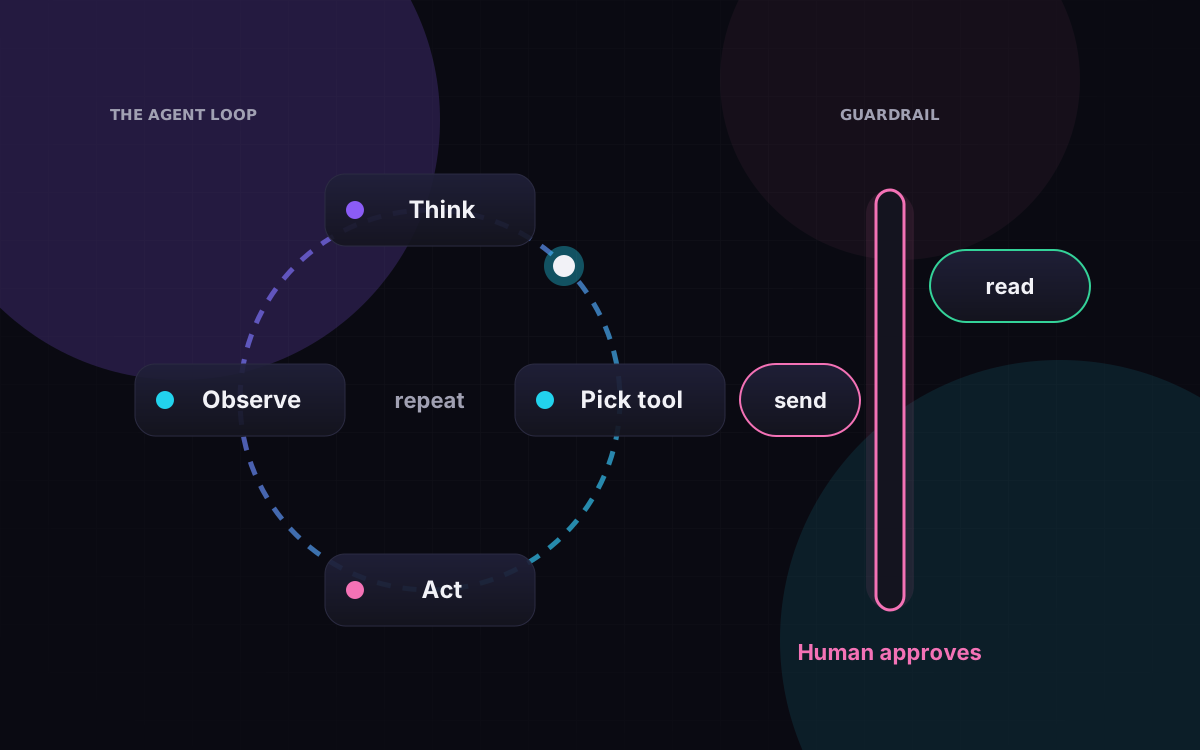
- Control climate unattended without strict limits. Closed-loop control needs hard safety bounds and manual override, and most operations are right to start with recommendations rather than automation.
Where to start
Pick one greenhouse and one question the team asks every week, such as "are we on track for next week's harvest?". Get the data for that one question flowing reliably, with alerts people trust. Expanding to the next house is then an infrastructure task, not a research project.